How Custom Software Solves Workflow Bottlenecks in Hospitals
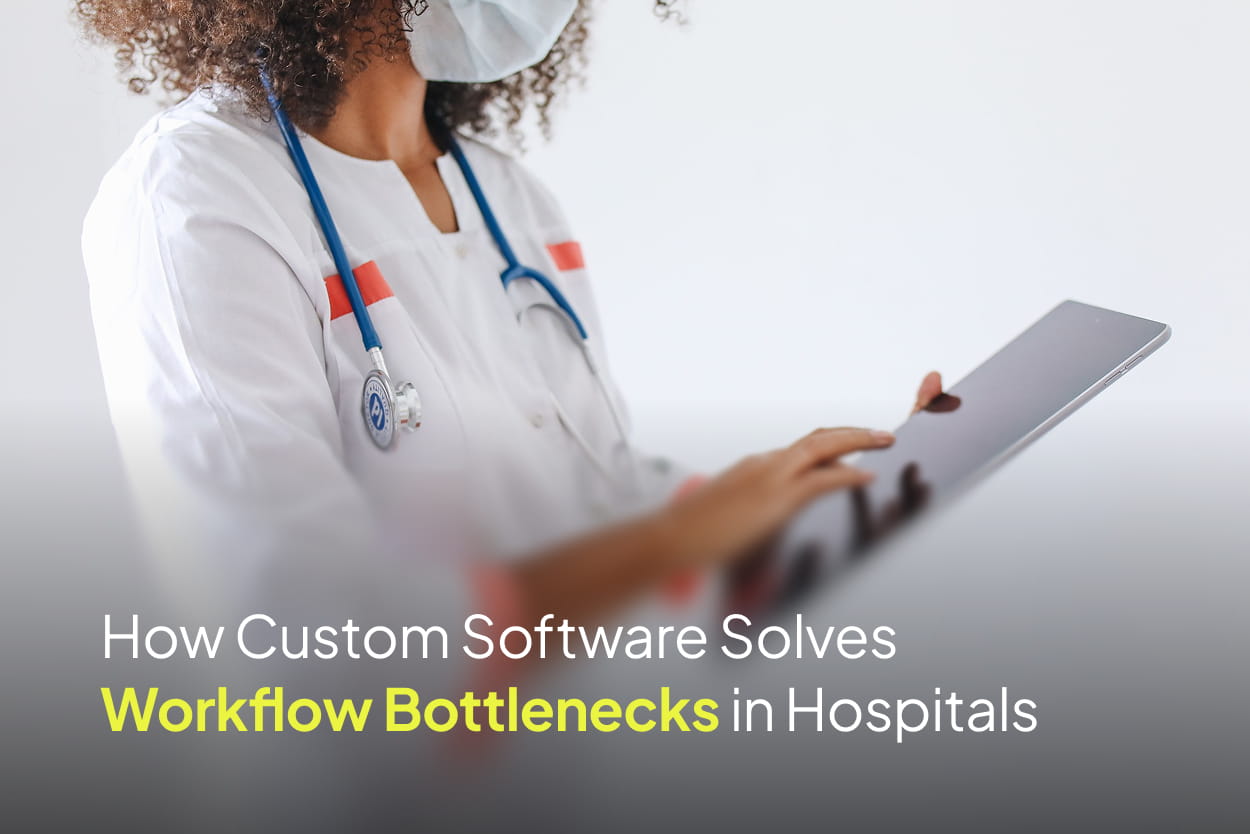
Hospitals operate under a tremendous workload. Many teams work under tight limits. Delays slow down care and add stress for staff. Healthcare software development solutions offer clear support for these issues. It helps teams move faster and make fewer mistakes. It also gives leaders better insight into daily needs. In this blog, we will go through how these tools remove bottlenecks and make hospital work smoother.
Why Hospitals Face Workflow Bottlenecks Today
Hospitals deal with many complex tasks. These tasks include patient intake, medication tracking, and staff planning. Each area requires strong coordination. When tools fail to support these tasks, delays happen. These delays cause long wait times and slow decision-making.
Many teams still depend on older tools. These tools often lack the features teams need. They cannot share data fast enough. They also do not connect with newer systems. This makes staff switch between different apps all day. Slow systems create confusion and missed updates. This hurts patient care and increases staff burnout.
Custom software reduces these issues by giving teams better control. It removes extra steps and helps keep information clear. Hospitals gain a system that fits the way they work. This saves time and supports safer care.
How Custom Software Removes Major Hospital Workflow Barriers
Hospital teams handle many tasks under strong time pressure each day. Slow systems make these tasks harder and increase stress. Custom software helps remove these problems by giving teams clear and simple digital tools. These solutions support daily work and reduce extra steps that cause delays. Hospitals gain smoother workflows when their systems match their real needs. Below are the various ways it helps.
Streamlined Patient Intake
Patient intake is the first touchpoint in many visits. It must move fast and stay accurate. Slow intake causes long lines and stressed staff. Custom tools help teams capture patient data with ease. The data flows into the main system right away. This removes repeated typing and reduces errors.
These tools also guide staff through each step. Staff can verify records and get alerts for missing data. Patients can complete forms on personal devices. This reduces paper use and helps intake teams work faster. Custom systems also support multilingual forms for diverse communities.
By using healthcare custom software development, hospitals make the intake clear and smooth. This reduces delays and builds trust with patients.
Smarter Scheduling & Resource Allocation
Scheduling affects every part of hospital care. Staff, equipment, and rooms must align well. When schedules clash, care slows down. Custom scheduling systems track each resource in real time. Teams see open rooms, available staff, and device use. This prevents double bookings and wasted time.
These tools also help shift planners create fair schedules. The system can review past patterns and match needs with skills. Staff receive alerts when schedules change. This keeps the team informed and reduces confusion.
Better scheduling improves patient flow. It also reduces wait times and increases staff morale. Custom tools built through healthcare software development solutions give teams stronger planning support.
Facing Workflow Delays in Your Hospital?
Faster Diagnostic Workflows
Diagnostic teams face constant demand. They handle scans, lab tests, and reports. They also work with many systems. Slow tools delay results and limit treatment plans. Custom platforms help teams track each test from start to finish. They show test status and highlight urgent cases.
These systems also reduce manual steps for lab staff. They connect directly with devices and send data quickly. This reduces typing errors and speeds up result delivery. Teams gain clearer insight into daily workload. They can plan better and reduce backlogs.
Doctors see results sooner and make faster decisions. This supports safer patient care and smoother operations.
Safer Drug Management
Medication errors can cause serious harm. Strong tracking is key for safe care. Many hospitals still depend on outdated tools. These platforms lack alerts for missing data or wrong doses. Custom software helps teams avoid these errors.
These systems track each drug from supply to use. They confirm dose, timing, and patient match. When something seems wrong, the system alerts the team. It also shows stock levels and tracks expiration dates. This prevents shortages and waste.
These tools also help pharmacy teams work faster. They support labeling, scanning, and refill planning. Hospitals using software development services for healthcare gain safer medication workflows.
Real-Time Communication Across Teams
Hospitals rely on quick updates between teams. Slow or unclear communication leads to mistakes. Custom communication tools work across all hospital systems. They send alerts when new tasks arrive. They also help teams share updates in real time.
Nurses see changes to care plans right away. Doctors receive alerts for new lab results. Support teams stay informed about supply needs. This reduces delays and prevents lost messages. It also builds strong teamwork across departments.
By using healthcare software product development, hospitals gain tools that fit their daily needs. These tools help teams stay aligned throughout each shift.
Paperless & Automated Documentation
Paperwork slows down many teams. It also increases the chance of errors. Custom software reduces the need for paper. Staff enter data once, and the system updates everything. No one needs to repeat typing or move papers.
Custom solutions guide staff through each step. They check entries for errors. They also store files securely and make them easy to find. Teams save time, and patients benefit from faster service.
Paper-free workflows improve security. They protect patient data and reduce the risk of loss. Custom systems help hospitals move toward cleaner and safer daily work.
Efficient Billing & Claims Processing
Billing must stay accurate. Delays or errors lead to financial loss. Many billing tools still require manual checks. These checks take time and increase stress for staff. Custom billing tools help teams capture charges quickly. They match services with codes and reduce errors.
These systems also track claims in real time. Teams see which claims need extra documents. They receive alerts when issues appear. This speeds up the entire process. It also helps reduce denied claims.
Hospitals gain stronger revenue with fewer errors. Staff work faster and face less confusion.
Balanced Staff Workload
Hospital staff face long hours and large workloads. When systems fail, the burden grows. Custom software helps balance this workload. It shows leaders how tasks move through each shift. Leaders see delays and bottlenecks early. They can adjust resources before problems grow.
Custom software development for healthcare also supports task automation. The solutions remove small tasks that take time away from patient care. Staff spend more time with patients and less time on manual steps.
This improves morale and reduces burnout. Hospitals gain safer care and smoother operations.
Data-Driven Leadership Decisions
Healthcare providers need clear insight. They must make choices fast and with strong data. Older tools hide key details. They also do not gather enough information. Custom systems track important metrics in real time. Leaders see trends and act quickly.
These tools also support long-term planning. They highlight busy seasons and rising needs. Leaders can plan for staffing, equipment, and future growth. Clear data reduces risk and builds stronger strategies.
Hospitals using healthcare software development solutions gain a major advantage. They lead with better insight and stronger decisions.
Enhances Patient Experience
Patients want clear updates and smooth care. Slow systems make visits stressful. Custom software supports better experiences at each step. Patients can check in faster, see updates, and track appointments.
These tools also help patients understand treatment plans. They can view notes and instructions on personal devices. This builds trust and supports better outcomes.
Clear communication increases patient satisfaction. Hospitals gain stronger community trust and better long-term results.
Key Features of Effective Custom Hospital Software

Custom hospital systems include features built for real needs. These features support both staff and patients. Key features often include:
- Real-time dashboards for workload insight
- Role-based access to keep data safe
- Automated alerts for urgent tasks
- Smooth data flow between departments
- Strong security for patient information
- Support for mobile use across teams
- Tools that guide each step in daily workflows
These features create a strong digital base for hospitals. They reduce risk and increase safety.
How Custom Software Integrates with Existing Hospital Systems
Most hospitals use many systems. These systems often do not work well together. Custom software connects these tools and reduces friction. It moves data across systems without delays.
Teams no longer jump between apps. They see all updates in one place. This reduces confusion and saves time. It also helps keep data accurate.
Smooth integration is a major benefit of healthcare custom software development. Hospitals gain stronger control and better support for daily care.
Long-Term Strategic Benefits of Healthcare Custom Software Development
Custom software grows with hospital needs. It adjusts as patient volumes change. It adds new features when workflows shift. Hospitals gain a long-term partner instead of a temporary fix.
These tools improve staff training and reduce mistakes. They also support future technology like AI and automation. Hospitals stay ready for new challenges.
A custom system becomes a strong base for growth. It supports safer care and smoother work for years.
Conclusion
Custom software solves major workflow issues in hospitals. It supports patient intake, diagnostics, and billing. It improves communication and reduces errors. It also gives leaders strong insight for daily decisions.
Hospitals using software development services for healthcare gain clear benefits. They move faster, reduce stress, and offer safer care. Custom solutions build strong systems that support both staff and patients.
By investing in healthcare software product development, hospitals create efficient workflows. They remove bottlenecks and build a future-ready digital environment. This leads to better outcomes and a stronger patient journey. Imenso Software is a trusted partner for healthcare custom software development. We help startups and entrepreneurs build simple, secure, and scalable digital tools. Our team creates solutions that remove complex steps and support smooth hospital workflows.
Facing Workflow Delays in Your Hospital?

Similar Posts

Healthcare IT Outsourcing Explained: Benefits and Implementation Guide
Do you know that healthcare organizations are increasingly turning to external IT partners to align in the digital landscape? Managing EHRs and telehealth platforms is costly within the context of running a healthcare system. Hence, organizations are looking for options that offer specialized skills and scalable infrastructure along with consistent compliance support. This way, clinical […]...

Top Use Cases of Data Visualization Dashboards in Healthcare
The human eye is naturally drawn to pictures more than text lists. Therefore, it is not an exaggeration to claim that data science visualizations in healthcare are essential for saving lives. The healthcare sector is being shaken up by big data. Simply put, data visualization is the practice of displaying data graphically, such as through […]...

How to Secure Telehealth: Avoid Security and Privacy Risks
The global telehealth market is projected to surpass $240 billion by 2026 which is fueled by patient demand for convenience and provider interest in remote care solutions. But this rapid growth brings more risk than innovation. Telehealth platforms handle vast amounts of personal health data so these systems become prime targets for cyberattacks in the […]...